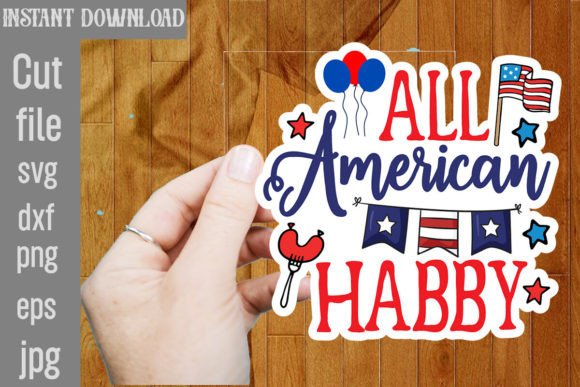
All American Habby SVG Cut File Review
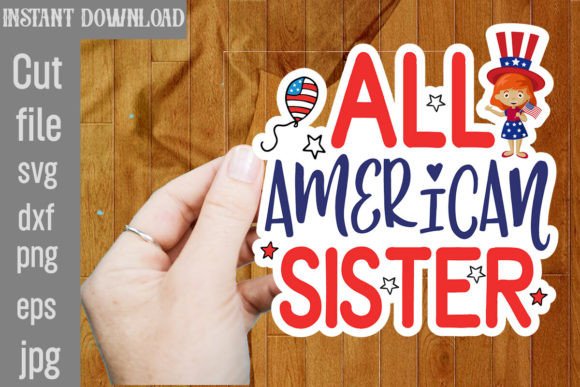
When I sit down to evaluate a new digital asset for my embroidery studio, I am rarely looking for just another pretty picture. I am looking for viability. I need to know if a design will stitch cleanly, hold up to washing, and translate well into a finished product that customers are willing to pay for. That is exactly why I took the All American Habby SVG Cut File for a spin before committing it to any client work or personal projects. As a designer who spends half her day troubleshooting tension issues and the other half styling mockups, my eyes are trained to spot potential pitfalls in vector lines and stitch paths.
The term "Habby" immediately suggests a playful, affectionate tone—likely a portmanteau of "Happy" and perhaps "Baby" or "Hobby." This sets a specific mood right out of the gate. It feels approachable, warm, and distinctly casual. In the world of Crafts and Graphics, emotional resonance is everything. If a design doesn’t evoke a feeling, it struggles to connect with buyers on platforms like Etsy or at local craft fairs. My first impression of this file was one of cheerful simplicity. It doesn’t try to be overly complex or avant-garde; instead, it aims for broad appeal, which is often the smartest strategy for small business owners looking for consistent sellers.
Visual Personality and Design Integrity
Before we even talk about stitching, we have to look at the shape language. The All American Habby SVG Cut File relies on clean lines and distinct forms. From a graphic design perspective, this is crucial. Embroidery is essentially paint made of thread, but unlike paint, thread has weight and texture. A design that looks good on a screen can sometimes fall apart when converted into stitches if the negative space isn’t managed correctly.
The layout of this design feels balanced. It doesn’t appear cluttered, which is a common trap in novelty embroidery. For an embroidery project intended for mass production or high-volume personalization, clarity is king. The visual personality here is confident but not aggressive. It works well for themes centered around patriotism, family, joy, or childhood milestones. When I visualize this on a custom apparel item, such as a baby onesie or a toddler’s t-shirt, it fits naturally. It doesn’t overpower the garment; it complements it. This balance is what separates a professional-grade design from a amateurish clipart upload.
Real-World Application: The Tote Bag Scenario
To truly test a design, you have to imagine it in its final environment. Let’s say I am preparing a batch of custom embroidered tote bags for a summer craft fair. These bags are likely to be carried by parents, used for farmers market runs, or given away as promotional items. The fabric is usually canvas or cotton duck—materials that can be thick and textured.
If I were to place the All American Habby SVG Cut File on a sturdy canvas tote, how would it perform? The design’s theme aligns perfectly with the utilitarian yet cute aesthetic of modern tote bags. However, the key challenge here is the interaction between the thread and the fabric weave. Because this is an SVG cut file that likely translates into various machine embroidery formats, I would want to ensure that the digitizing (if done manually) or the pre-digitized structure allows for proper coverage without puckering the heavy canvas.
Imagine a mother buying this bag for her child’s first day of school or a birthday party favor. The "Habby" theme suggests happiness and celebration. The customer isn’t just buying a bag; they are buying a sentiment. A well-executed embroidery of this design adds tangible value. It transforms a $5 blank tote into a $20 boutique item. That margin is what keeps a craft business alive. But only if the embroidery looks sharp. If the satin stitch edges are jagged or the fill stitch areas show gaps, that perceived value drops instantly. Based on the clean vector nature of the source file, I anticipate a crisp outline that should render well, provided the stitch density is appropriate for the fabric weight.
Performance Across Different Garments and Products
This design is versatile, which is a huge plus for Etsy sellers and small shop products who want to list one design across multiple categories. Here is how I see it performing in various scenarios:
- Baby Clothes and Nursery Decor: The soft, happy vibe makes this ideal for baby embroidery. On a muslin blanket or a hooded towel, the design would pop nicely. Just be mindful of the size; you don’t want a large design overwhelming a tiny garment. Test the hoop size constraints early.
- Sweatshirt Embroidery: For cozy winter gifts, placing this on the chest of a crewneck sweatshirt creates a classic look. The contrast between the fleece texture and the smooth threads of the machine embroidery design adds depth. Ensure you use a cut-away stabilizer to prevent the heavy knit fabric from distorting under the needle.
- Applique Design Possibilities: While the file is an SVG, many designers use these vectors as templates for appliqué. The clean shapes of the All American Habby SVG Cut File make it a prime candidate for fabric piecing. You could cut the main shape from red felt, add white satin stitch borders, and fill details with contrasting thread colors. This adds a 3D element that elevates the handmade product.
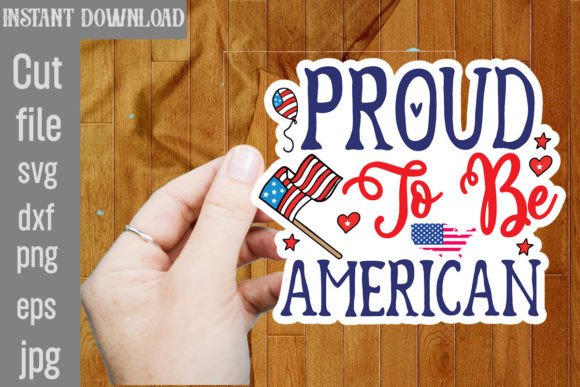
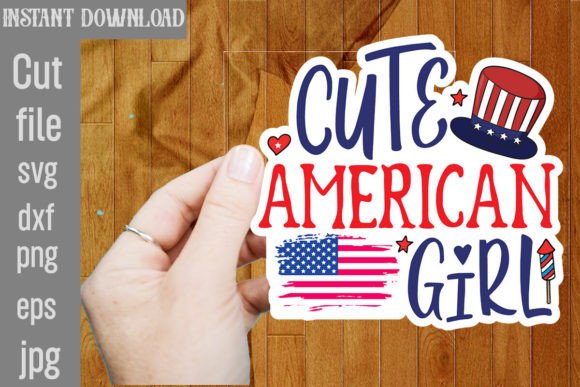
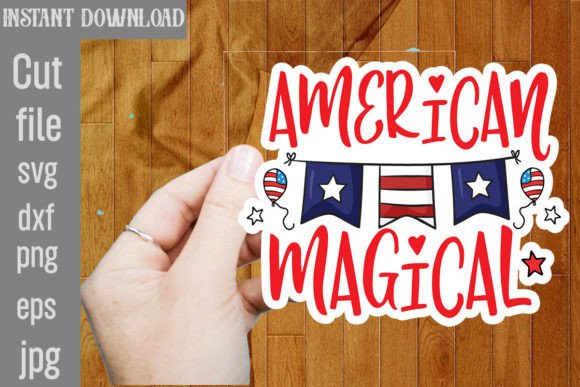
- Holiday Embroidery and Gifts: If the design incorporates patriotic colors or simple stars/stripes implied by "All American," it fits seamlessly into July 4th or Memorial Day collections. It also works year-round as a general gift. Personalized gifts require designs that are instantly recognizable, and this one delivers that clarity.
Where to Use Caution
No design is perfect for every surface. There are specific situations where the All American Habby SVG Cut File might present challenges that require extra attention from the operator.
First, avoid using this on highly textured fabrics like chunky waffle knits or boucle wool unless you are very experienced. The needle penetration might be inconsistent, leading to skipped stitches or misalignment. Second, be careful with stretchy fabrics like spandex blends. Without adequate stabilizer, the design will distort as the fabric stretches. Third, if you plan to put this on curved surfaces like baseball caps, ensure the design is digitized specifically for cap frames. A flat design stretched over a curve can look warped.
Also, consider the thread colors. If you are embroidering on dark fabric, you must use underlay stitches to create a base for the top threads. Otherwise, the fabric color may bleed through, making the design look muddy. Always inspect small details in your black and white mockups to ensure that fine lines won’t merge together during stitching.
Practical Designer Notes for Execution
Before you upload this file to your embroidery machine or send it to a manufacturer, follow these practical steps to ensure success:
- Test on Scrap Fabric: Never go straight to the final product. Stitch the design on a scrap piece of the same fabric and stabilizer combination you plan to use. This reveals tension issues and fabric pull.
- Check Stitch Density: Look at the digitizing closely. Is the stitch density too high for thin fabric? Too low for thick fabric? Adjusting the scale slightly might help, but be wary of distorting the aspect ratio.
- Confirm Licensing: As a commercial embroidery practitioner, I always double-check the license terms. Does the purchase allow for selling finished goods? Are there limits on the number of units? This protects your digital product seller rights and your physical inventory.
- Stabilizer Selection: Match your stabilizer to the fabric. Tear-away for stable woven cottons, cut-away for knits and stretchy materials. Using the wrong stabilizer is the most common cause of poor finish quality.
- Thread Contrast: Choose threads that provide strong contrast against the fabric. If the design relies on subtle shading, it may get lost. Bold, solid colors tend to work best for this style of graphic.
Final Verdict on Visual Appeal and Brand Consistency
The All American Habby SVG Cut File succeeds because it understands its audience. It isn’t trying to be high art; it is designed to bring joy and fit neatly into the lifestyle aesthetics of modern consumers. For creative entrepreneurs and makers, this means easier marketing. The design speaks for itself. It conveys warmth and quality without needing excessive explanation.
When you incorporate this into your design assets, you are adding a tool that enhances brand consistency. Whether you are selling personalized gifts or creating printable mockups for digital downloads, this file provides a reliable foundation. It respects the limitations of the medium while maximizing the expressive potential of thread and fabric.
In conclusion, this is a solid addition to any designer’s library. It is practical, visually appealing, and commercially viable. By approaching it with the caution and testing protocols outlined above, you can transform this digital file into a profitable, beautiful finished product that customers will love. Just remember to check the specific file compatibility and licensing details provided in the original download, as those technicalities are the backbone of a smooth workflow. Happy stitching!