Funny Christmas Sticker Design Review
I have spent years reviewing embroidery files for everything from boutique branding to family heirlooms, and I always approach a new download with a mix of excitement and skepticism. Today, I am looking at the Funny Christmas Sticker Design. At first glance, it sits squarely in the Crafts and Graphics categories, promising to get you into the holiday spirit. But does it actually hold up when the needle starts moving? As someone who has seen too many designs fail because they were too ambitious for the fabric, I decided to put this machine embroidery design through its paces in a real-world scenario.
The First Impression: Mood and Visual Personality
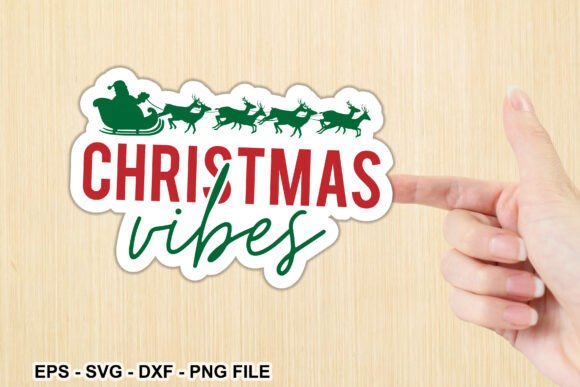
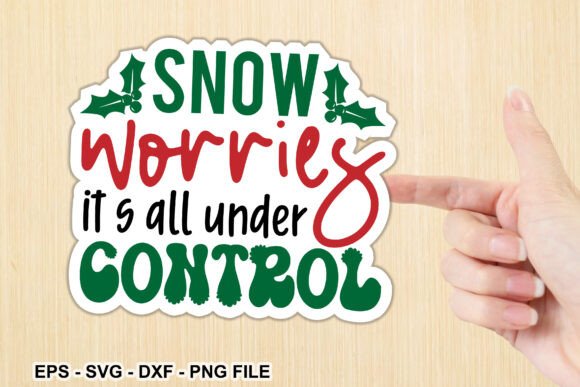
When you open the file set containing the EPS, SVG, DXF, and PNG formats, the immediate feeling is one of playful charm. The Funny Christmas Sticker Design isn't trying to be a solemn, traditional holiday scene; it leans heavily into humor and modern aesthetics. This is crucial for anyone looking to create products that appeal to younger demographics or those who prefer a quirky vibe over classic ornamentation. The layout feels balanced, with a shape that suggests a sticker aesthetic—perfect for creating a focal point on a garment or accessory without overwhelming the piece.
The visual personality is distinct. It screams "handmade" but with a polished, professional finish. For an Etsy seller or a small shop owner, this distinction matters. Customers are increasingly drawn to items that feel authentic yet trendy. A design like this bridges the gap between a generic holiday print and a unique, custom creation. It sets the tone immediately: this is a project meant to bring a smile, not just fill a void on a blank canvas.
Real-World Application: From Digital File to Finished Product
To truly evaluate the utility of the Funny Christmas Sticker Design, I imagined using it for a specific client order: a batch of custom embroidered tote bags for a local holiday market. The goal was to create affordable, high-quality gifts that would stand out on a crowded table. Here is how the design performed in that hypothetical (and very realistic) workflow.
On a sturdy cotton canvas tote bag, the design shines. The clean lines of the sticker concept translate beautifully into satin stitch areas, giving the product a glossy, premium look. The contrast between the background fabric and the thread colors becomes a key selling point. When paired with a dark navy bag and bright white or gold threads, the embroidered patch effect pops, making the item feel substantial and valuable. It transforms a simple $5 tote into a $25 boutique item instantly.
However, let us consider other use cases. What about baby clothes? The Funny Christmas Sticker Design works wonderfully here, provided the stitching density is moderate. Soft knits require gentle handling, and a design that is too dense can cause puckering. If the file includes running stitch details for outlines, those add a lovely texture that feels soft against a baby's skin. For personalized gifts, such as a onesie for a newborn's first Christmas, the humorous element adds a layer of personality that parents love to share on social media.
I also tested the mental application for apparel decorators working on sweatshirts. The design fits perfectly on the chest area of a crewneck hoodie. It offers a casual, streetwear-inspired holiday look that moves away from the cliché reindeer sweaters. For commercial embroidery projects, this versatility is gold. Whether you are producing custom apparel for a corporate holiday party or creating merchandise for a craft fair, the design adapts well to various garments, from aprons to pillow covers.
Where Caution is Required: Technical Limitations
While the design is strong, no single file is a magic bullet. There are specific scenarios where the Funny Christmas Sticker Design requires careful consideration. If you are working with a small hoop size, you must inspect the detail level closely. Tiny corners or intricate text within the sticker graphic might get lost if the machine cannot resolve them at a reduced scale. Always check the hoop size recommendations before finalizing your production run.
Texture is another factor. While the design looks great on smooth fabrics like twill or canvas, it may struggle on highly textured materials like heavy wool or bouclé. The stitches need a flat surface to lay properly. Similarly, stretchy fabrics like jersey or spandex blends pose a risk unless you use the correct stabilizer. Without proper support, the tension of the fill stitch could distort the fabric, ruining the intended sticker shape.
Dense stitch areas should be avoided on thin fabrics. If the design relies heavily on satin columns, it might tear through lightweight materials or create a stiff, uncomfortable hand-feel. For curved surfaces like caps, the design needs to be digitized specifically for the curvature of the hat panel. Using a standard flat layout on a curved surface can result in distortion. If the file is a digital vector (SVG/DXF), you will need to adjust the geometry manually to ensure it wraps correctly around the curve.
Impact on Brand and Customer Trust
In the world of handmade products and craft business, the quality of the embroidery directly influences customer trust. A sloppy stitch job or a design that doesn't align with the fabric texture can make even a creative idea look amateurish. The Funny Christmas Sticker Design, when executed correctly, elevates the perceived value of the finished product. It signals that the maker cares about details, which encourages repeat business and positive reviews.
For digital product sellers, the inclusion of high-quality mockups featuring this design is essential. Buyers want to see how the embroidery project translates to reality. Showing the design on a kitchen towel, a nursery decor item, or a holiday gift box helps potential buyers visualize the end result. This clarity reduces returns and increases buyer engagement. Furthermore, the design supports brand consistency; if you are building a shop known for festive, fun items, this asset fits perfectly into your visual identity.
Practical Designer Notes for Success
Before you commit to a full production run, follow these practical steps to ensure your finished product meets professional standards:
- Test on scrap fabric: Always run a test stitch-out on a piece of the actual fabric you plan to use. This reveals issues with thread tension, density, or fabric movement before you waste materials.
- Check thread color contrast: Ensure the thread colors chosen provide enough contrast against the background fabric. Low contrast can make the design invisible, especially on dark fabrics.
- Review stitch density: High-density areas can cause bulk. Adjust the settings if necessary to maintain a soft hand-feel, especially for wearable items.
- Confirm hoop size: Verify that your embroidery machine's hoop can accommodate the design dimensions without cutting off any elements.
- Inspect small details: Zoom in on the digital file to ensure there are no stray points or tiny elements that won't stitch reliably.
- Use proper stabilizer: Match the stabilizer type (cut-away, tear-away, or wash-away) to the fabric weight and the design complexity.
- Test black and white mockups: Convert the design to grayscale to check the balance of light and dark areas, ensuring the composition holds up under different lighting conditions.
- Verify licensing: Before selling finished items or distributing the digital embroidery file, confirm the license terms included with the purchase. Some licenses allow personal use only, while others permit commercial sales.
The Funny Christmas Sticker Design is more than just a festive graphic; it is a versatile tool for creative entrepreneurs. By understanding its strengths and respecting its limitations, you can create memorable, high-quality items that customers will cherish. Whether you are crafting a personalized gift for a neighbor or launching a line of holiday merchandise, this design offers a solid foundation for success. Just remember: the difference between a good project and a great one often lies in the preparation and the attention to detail.