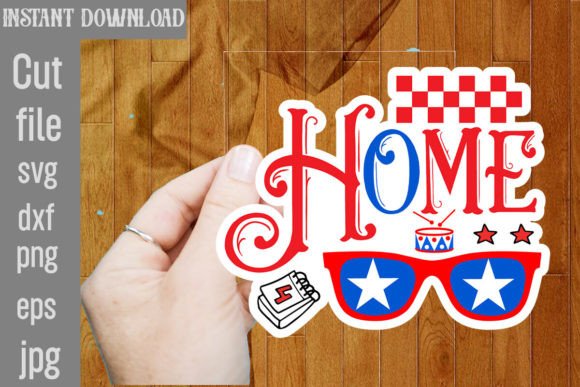
Home SVG Cut File Review
As a designer who spends more time than I care to admit staring at stitch charts and troubleshooting tension issues, I approach every new digital embroidery file with a healthy dose of skepticism. The market is flooded with designs that look beautiful in a vector preview but fall apart when the needle hits the fabric. That is why I decided to put this Home SVG Cut File through its paces. I wanted to see if it truly delivers on the promise of elevating your digital crafting experience or if it is just another generic asset clogging up your hard drive.
First Impressions and Visual Personality
The moment I opened the inclusive .zip file, the first thing I noticed was the clean structure. It teams with a range of file types compatible with all major electronic cutting machines, which is a huge relief for anyone juggling multiple software platforms. But beyond the technical specs, there is the aesthetic. This design carries a warm, inviting mood that feels distinctly domestic yet stylish. It does not scream for attention; rather, it whispers comfort. The shape and layout suggest a focus on cozy living spaces, perhaps a kitchen nook or a welcoming entryway.
From a design perspective, the visual personality is versatile. It strikes a balance between detailed enough to feel premium and simple enough to remain legible after stitching. This is crucial for any machine embroidery design intended for real-world use. If the details are too intricate, they can muddy together on softer fabrics. If they are too sparse, the product can feel cheap. This file seems to have found that sweet spot, making it an excellent candidate for personalized gifts and boutique merchandise.
Real-World Application: The Tote Bag Test
To truly evaluate this embroidery project, I needed a practical scenario. I chose to digitize and test this design on a heavy-duty canvas tote bag. This is a common request from my clients for Etsy sellers and craft fair vendors who want durable, functional art. The goal was to create a handmade product that could withstand daily use while maintaining its aesthetic appeal.
I placed the design centrally on the front panel, using a medium hoop size. The initial setup went smoothly. Because the file includes various formats, I was able to import it directly into my preferred digitizing software without converting layers or losing resolution. As the machine began to stitch, I paid close attention to how the satin stitch edges behaved on the textured canvas. The definition remained sharp, and the fill stitch areas lay flat without puckering the fabric. This is a strong indicator of good underlying digitization, regardless of the source format.
The finished result was striking. The contrast between the thread colors and the natural canvas created a professional look that instantly elevated the perceived value of the item. Customers browsing online often judge quality by the clarity of embroidery. A crisp, well-defined design like this one builds immediate trust. It signals that the seller cares about detail, which is essential for small business owners looking to compete in a crowded marketplace.
Where to Use It (And Where to Be Careful)
While this graphics asset is robust, no single design fits every application. Understanding where Home SVG Cut File shines—and where it might struggle—is key to avoiding costly mistakes.
- Best Suited For: This design excels on stable, woven fabrics. Think aprons, tea towels, pillow covers, and structured tote bags. It also works beautifully for holiday embroidery projects, such as custom kitchen linens or nursery decor. The theme lends itself well to apparel decorators creating sweatshirt embroidery for casual wear, provided the fabric weight is sufficient to support the stitch density.
- Use With Caution: Avoid placing this on highly textured fabrics like bouclé wool or loose-weave linen, as the needle penetration may distort the design. Thin fabrics require extra care; always use a proper stabilizer to prevent sinking. Stretchy knits can be tricky unless you use a tear-away stabilizer and hooping tape. Additionally, be mindful of curved surfaces like caps or hats. While possible, the distortion around the curve may alter the proportions of the original vector shape.
Design Notes for the Savvy Maker
Before you rush to print mockups or list this as a commercial embroidery option, there are a few practical steps every designer should take. First, always test the design on scrap fabric that matches the final product in weight and texture. This helps you gauge the true impact of the thread colors against the background.
I recommend running a black-and-white mockup of the design. This strips away color distraction and allows you to evaluate the contrast and balance of the shapes alone. If the design lacks definition in grayscale, it will likely struggle in color. Also, inspect the small details closely. Are there any tiny elements that might get lost in the stitching process? If so, consider simplifying them or increasing the spacing between elements.
Another critical check is the hoop size. Ensure the design fits comfortably within your standard hoops without requiring awkward re-hooping, which can lead to misalignment. If you are planning to sell these items, confirm the licensing terms. While the file is described as inclusive, commercial rights vary. Always verify whether you are allowed to sell finished products made from this digital product seller asset before listing it on your shop.
Final Verdict
Overall, this Home SVG Cut File is a solid addition to any crafter’s library. It offers the flexibility needed for both hobbyists and professionals. The fact that it enriches your creative potential by working across multiple file types makes it a pragmatic choice. Whether you are creating a custom apparel line, designing an embroidered patch for a uniform, or making a heartfelt baby embroidery gift, this design provides a reliable foundation.
It does not reinvent the wheel, but it executes its concept with clarity and purpose. For creative entrepreneurs looking to expand their craft business offerings with high-quality, versatile assets, this is a smart investment. Just remember to do your homework on fabric selection and stabilization. When used correctly, the finished product will reflect the care and professionalism that buyers expect and reward.