Jesus Saved My Life SVG Cut File
As someone who has spent years stitching designs onto everything from baby onesies to boutique tote bags, I know that the difference between a good product and a great one often comes down to the design itself. When I first pulled up Jesus Saved My Life SVG Cut File in my editing software, it wasn't just about the text; it was about the mood it immediately established. This isn't a generic clip art piece you might find on a free download site. It carries a weight of faith and personal testimony that translates beautifully into physical form. For those of us running small shops or crafting personalized gifts, finding a graphic that balances spiritual depth with clean lines is rare, but this file feels like exactly what is needed for high-end handmade products.
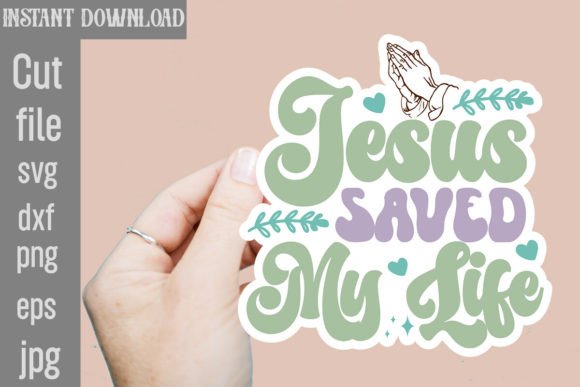
The visual personality of this design is straightforward yet powerful. The layout suggests a central focus that draws the eye immediately, which is crucial when working with embroidery where thread density can sometimes clutter a composition. Whether you are planning to use this as a machine embroidery design for a sweatshirt or converting it into an applique design for a quilted jacket, the vector nature of the source files ensures that the curves remain smooth. In my experience, many religious graphics fail because they become too intricate when scaled down, but this Jesus Saved My Life SVG Cut File maintains its integrity even at smaller sizes, making it versatile for various project types.
Real-World Application: From Digital File to Finished Product
Let me walk you through a scenario I recently considered for a client order. A local church group wanted embroidered patches for their youth ministry retreats. They needed something that represented their core message without being overly preachy or cluttered. I imported the Jesus Saved My Life SVG Cut File into my digitizing software to test how it would handle a 4x4 inch hoop size. The result was promising. The lettering held up well, and the spacing allowed for enough negative space so that the satin stitch wouldn't pucker the fabric.
I envision this design thriving on custom apparel like heavyweight cotton t-shirts or fleece hoodies. Imagine a soft, heather-grey hoodie with this phrase stitched in white or gold thread across the chest. The contrast creates a statement piece that customers will actually want to wear. It also works exceptionally well for baby embroidery projects. Placing this design on a simple white bib or a muslin swaddle blanket adds a layer of sentimental value that parents cherish. The clean lines ensure that the design remains legible even on the tiny surfaces of infant clothing, avoiding the "muddy" look that dense fill stitches can sometimes create on small items.
Beyond apparel, I see this as a fantastic asset for home decor. Picture a set of kitchen towels featuring this text in a bold script, perhaps paired with a subtle floral motif if you choose to add it later. Or consider using it on a pillow cover for a nursery. The emotional resonance of the words combined with the tactile quality of embroidery creates a finished product that feels luxurious and thoughtful. For Etsy sellers and craft fair vendors, this design offers a ready-made solution for creating niche merchandise that stands out against mass-produced items.
Strategic Considerations for Embroidery Projects
While the design is strong, practical application requires careful planning. Not every surface is suitable for every type of embroidery. If you are looking to use this embroidery file on stretchy fabrics like jersey knit, you must be cautious. The tension required for the satin stitch might cause the fabric to distort unless you use a stabilizer specifically designed for knits. Similarly, textured fabrics like bouclé or heavy corduroy can hide the fine details of the lettering, making the design harder to read. In these cases, a smoother fabric background is always the safer bet to ensure clarity.
Another critical factor is the size of the hoop. While the vector format allows for scaling, attempting to fit this design into a very small hoop, such as a 3x3 inch frame, might compromise the readability of the smaller letters. I recommend testing the design in your specific machine's hoop size before committing to a full production run. Additionally, if you plan to use this for commercial embroidery on dark fabrics, pay close attention to the thread colors. A light-colored design on a black background requires high-density underlay to prevent the fabric color from bleeding through the stitches. Conversely, a dark design on a light background needs careful attention to the topstitching to avoid a "floating" appearance.
For those interested in creating an embroidered patch, the design is robust enough to handle the cut-and-sew process, provided you leave adequate margin around the edges. However, be mindful of the corners. Sharp angles in embroidery can sometimes look jagged depending on the stitch direction. You may need to adjust the angle of the satin stitch columns slightly to ensure the corners lay flat and look professional. This level of detail management is what separates a hobbyist project from a boutique-quality item.
Technical Insights for Designers and Sellers
The package includes a variety of formats, including an EPS file and a PNG transparent background, which adds significant value to your workflow. Having a 300 DPI PNG is particularly useful for creating printable mockups. Before listing your handmade product online, you can place the digital image onto photos of real garments to show potential buyers exactly how the final product will look. This transparency helps build trust with your audience and reduces the likelihood of returns due to mismatched expectations.
When preparing for production, I always advise checking the stitch density. High-density areas can make the fabric stiff and uncomfortable, especially on items worn against the skin like baby clothes or aprons. If the design feels too thick after digitizing, consider reducing the stitch count or switching to a running stitch for certain elements to lighten the load. Always test the design on scrap fabric first. This step is non-negotiable for maintaining consistency in your brand. You need to verify that the thread colors you select provide enough contrast against your chosen fabric texture.
For those selling finished goods, licensing is a vital consideration. While the download includes the necessary files for creation, you must confirm the terms regarding commercial use. Are you allowed to sell unlimited finished items? Does the license extend to digital product previews? These questions are essential for protecting your small business. Assuming the standard permissions allow for commercial use, this Jesus Saved My Life SVG Cut File could become a staple in your catalog for holiday gifts, Easter collections, or year-round faith-based merchandise.
In conclusion, this design file represents a solid foundation for serious crafters and entrepreneurs. It avoids the pitfalls of over-complication while delivering a clear, impactful message. Whether you are decorating a cap for a wedding party or producing a line of tote bag designs for a church boutique, the versatility of this graphic makes it a worthy investment. By paying attention to fabric choice, stabilization, and stitch settings, you can transform this digital asset into a tangible product that customers will love and respect. The key is to treat the design not just as a pattern, but as a story waiting to be stitched into existence.